
Navigation
Send Us A Message
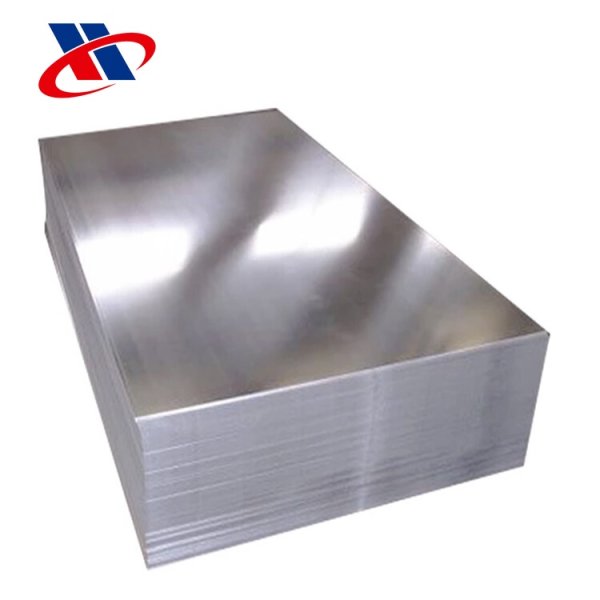
Stainless Steel Plate
Stainless steel plate surface smooth, high plasticity, toughness and mechanical strength, acid, alkaline gas, solution and other media corrosion. It is a kind of alloy steel that is not easy to rust, but it is not absolutely rust free. Stainless steel plate refers to the air, steam and water and other weak medium corrosion steel plate, and acid resistance steel plate is acid, alkali, salt and other chemical corrosion medium corrosion steel plate. Stainless steel plate since the beginning of the 20th century, has a history of more than 1 century.
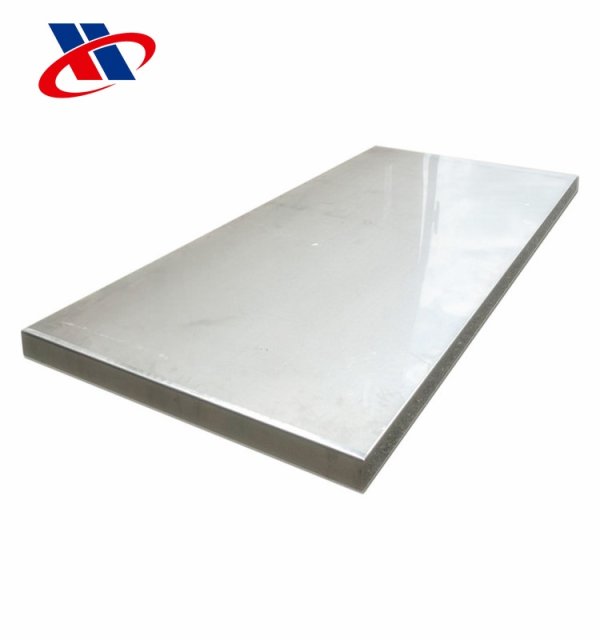
201 Stainless Steel Plate
201/201LN stainless steel is an austenitic steel. Its primary alloying elements are chromium, nickel, and magnesium. It shows excellent toughness at lower temperatures and is purposed across industries for use in appliances, restaurant equipment, sinks, automotive trim, and more.
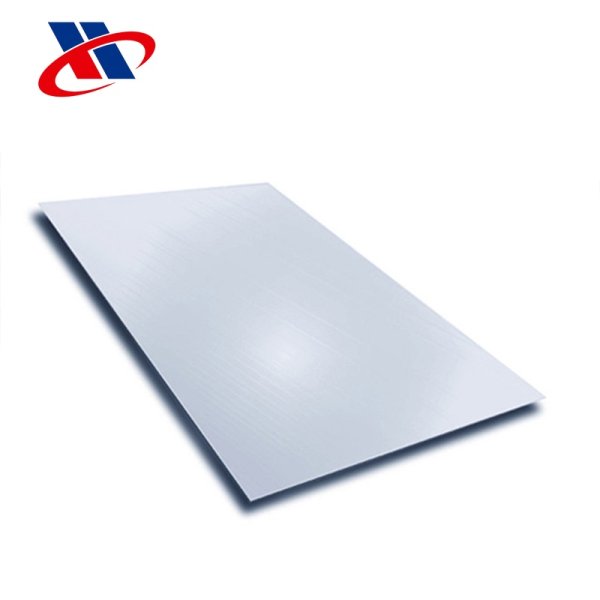
202 Stainless Steel Plate
202 stainless steel strip has good high temperature resistance.
Applications: Architectural decoration, municipal engineering, highway guardrail, hotel facilities, shopping malls, glass handrails, public facilities and other places.
Workability: Cut, Form and Machine with proper equipmen.
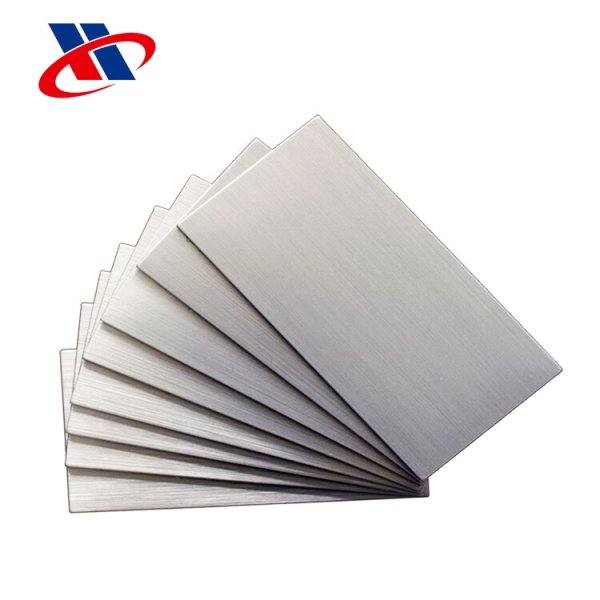
316L Stainless Steel Plate
Type 316L stainless steel in a molybdenum bearing austenitic. It is more resistant to general corrosion and pitting than conventional nickel chromium stainless steels such as 302-304. It has the following characteristics:Higher creep resistance,Excellent formability,Rupture and tensile strength at high temperatures,Corrosion and pitting resistance.
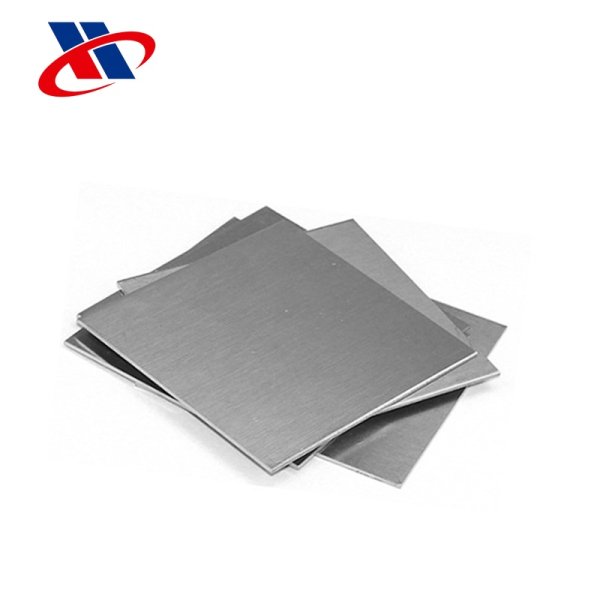
304 Stainless Steel Plate
Grade 304 is the most commonly used stainless steel. It is an austenitic, corrosion-resistant steel with excellent strength, toughness, fabrication characteristics and weldability. The low carbon version, 304L, may be required for full corrosion resistance when thicker sections are welded.
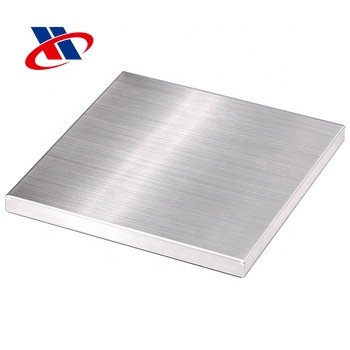
316 Stainless Steel Plate
Type 316 stainless steel is an austenitic grade with added molybdenum. The alloy offers improved corrosion resistance when compared with Type 304, particularly in chloride environments.
Reach out via our contact form or use the details. We’re here to help!
