

Navigation
Send Us A Message
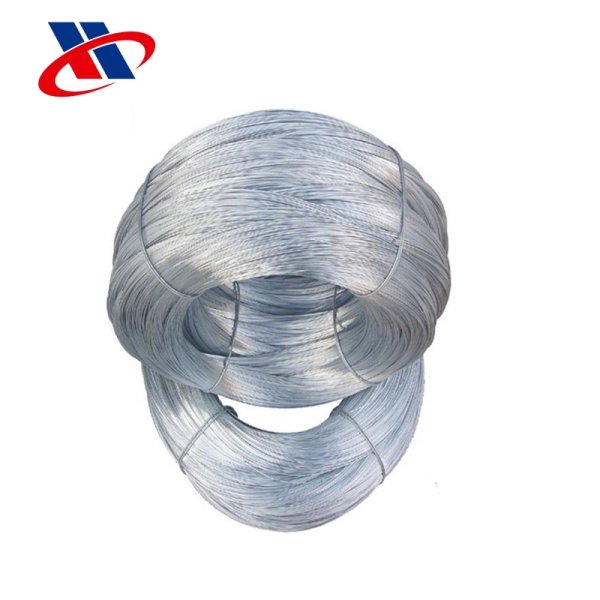
Stainless Steel Wire
Stainless steel wire, also known as stainless steel wire, is a variety of silk products of different specifications and models made from stainless steel as raw material. It originates from the United States, the Netherlands, and Japan, and generally has a circular or flat cross-section. The common stainless steel wires with good corrosion resistance and high cost-effectiveness are 304 and 316 stainless steel wires.
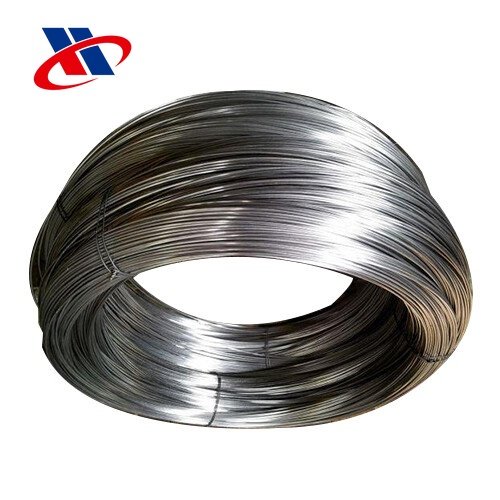
310 Stainless Steel Wire
Stainless steel 310/310S is an austenitic heat resistant alloy with excellent resistance to oxidation under mildly cyclic conditions through 2000°F. Stainless 310 is often used at cryogenic temperatures, with excellent toughness to -450°F, and low magnetic permeability.
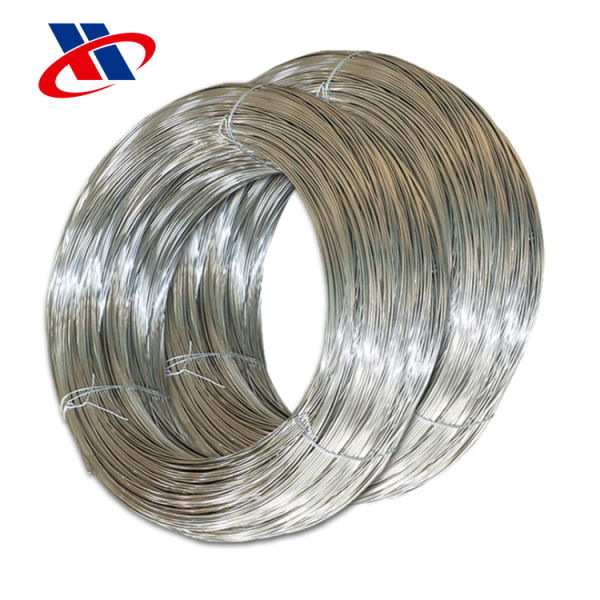
316L Stainless Steel Wire
Type 316L stainless steel in a molybdenum bearing austenitic. It is more resistant to general corrosion and pitting than conventional nickel chromium stainless steels such as 302-304. It has the following characteristics:Higher creep resistance,Excellent formability,Rupture and tensile strength at high temperatures,Corrosion and pitting resistance.
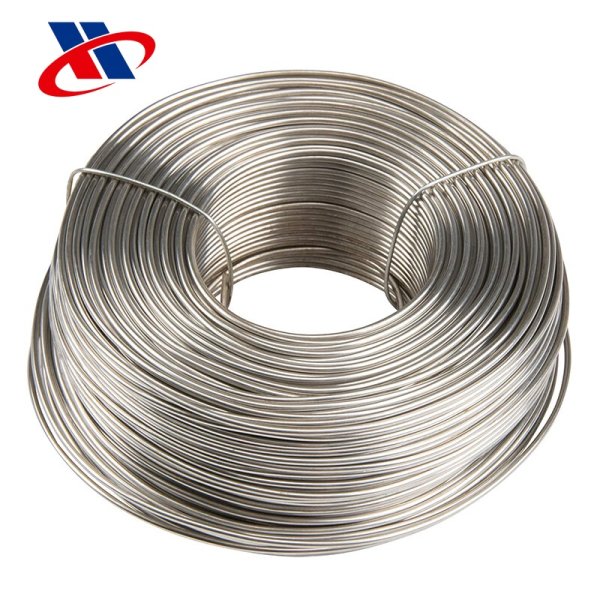
317 Stainless Steel Wire
Stainless Steel 317 and 317L are molybdenum-bearing austenitic stainless steels. Due to the molybdenum content of 3-4% 317 and 317L are more resistant to general corrosion and pitting/crevice corrosion than type 304. 317 and 317L are used in the Food, Pharmaceutical, Marine and Architecture industries.
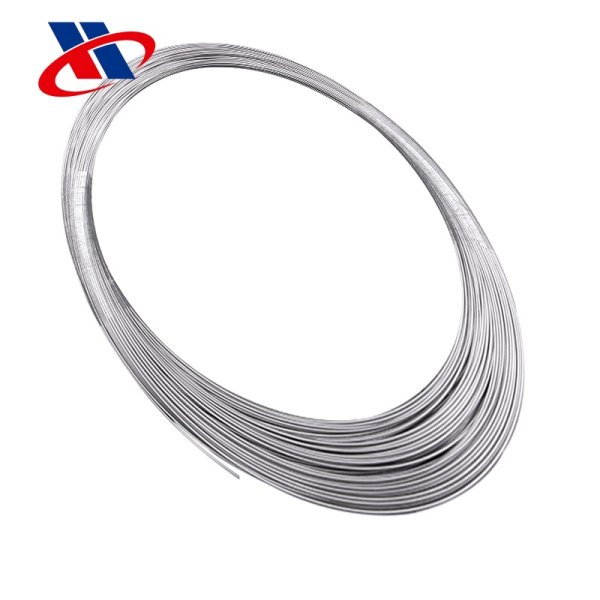
321 Stainless Steel Wire
Stainless Steel 321 has similar composition to 304 Stainless Steels but with addition of Titanium. This alloy has excellent resistance to corrosion and is also ideal for high temperature environments.
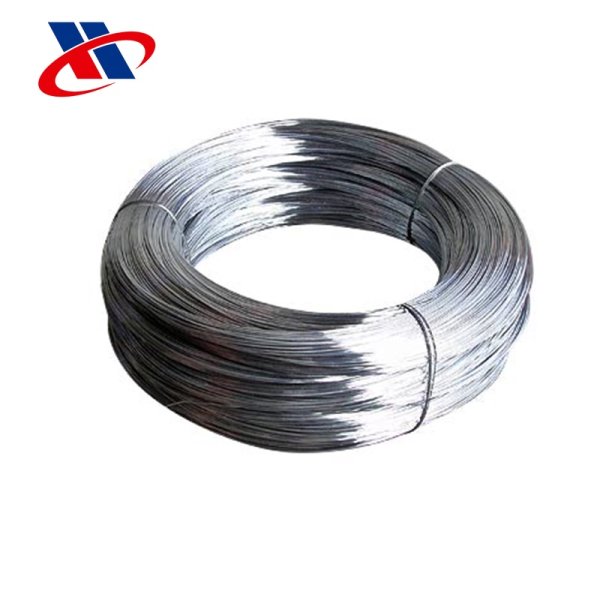
316 Stainless Steel Wire
Type 316 stainless steel is an austenitic grade with added molybdenum. The alloy offers improved corrosion resistance when compared with Type 304, particularly in chloride environments.
Reach out via our contact form or use the details. We’re here to help!